

How to Help Your Dog Adjust to Any Routine Change
Regardless of the reason for the change, several principles can help your dog transition more successfully.
1. Prepare Before the Change Happens
This is one of my biggest recommendations.
Don't wait for the problem to appear.
If you know your schedule is changing in two weeks, start preparing today.
If your dog is going to be alone longer, practice being alone.
If your children are returning to school, practice quieter mornings.
If you're moving, maintain familiar routines.
If you're having a baby, begin introducing new boundaries and sounds.
The earlier you begin, the more opportunities your dog has to adapt gradually.
2. Keep the Parts of Life You Can Control Consistent
You can't control everything.
But you can control some things.
Try to maintain consistency around:
Feeding
Bathroom breaks
Exercise
Training
Sleep
Rest
Play
Enrichment
Your dog's entire world doesn't need to remain exactly the same.
Instead, create anchors of predictability.
When everything else is changing, familiar routines can help your dog understand that life is still safe.
3. Teach Your Dog to Be Independent
A healthy relationship with your dog doesn't mean your dog needs access to you every second of the day.
If your dog follows you everywhere, begin teaching structured independence.
You can use:
Place Training
Teach your dog to remain calmly on a designated bed, mat, or cot until released.
Crate Training
When introduced properly and appropriate for the individual dog, a crate can provide a safe, predictable resting environment.
Independent Enrichment
Food puzzles, appropriate chew items, and enrichment activities can give your dog productive things to do without constant interaction.
Short Separation Exercises
Practice being apart while you're still home.
Go into another room.
Close the door.
Move around the house without your dog following.
Start small and gradually build duration.
You're teaching:
"My human moving away doesn't mean I need to panic."
4. Don't Suddenly Demand Eight Hours of Independence
This is where many owners accidentally make things harder.
If your dog has spent the last year with you all day, expecting them to immediately tolerate a full workday alone may be unrealistic.
Think of independence as a skill.
You wouldn't expect someone who has never exercised to run a marathon tomorrow.
Your dog deserves the same gradual progression.
For example:
Leave for 5 minutes.
Return calmly.
Repeat.
Increase to 10 minutes.
Gradually increase duration as your dog remains comfortable.
Reduce the duration if your dog begins showing significant distress.
There is no prize for getting to eight hours the fastest.
The goal is confidence—not endurance.
5. Make Departures and Arrivals Predictable
Your dog doesn't need a dramatic farewell worthy of an airport movie.
You can love your dog deeply without announcing:
"Mommy has to go to work now! Are you going to be okay? I love you! I'll be back! Please don't be sad!"
Your dog may be thinking:
"Why are we both panicking?"
Instead, make departures boring.
Grab your keys.
Put on your shoes.
Leave.
Likewise, when you return, greet your dog calmly.
Affection is absolutely fine.
But try not to make your arrival the most exciting event of the day.
Predictability matters.
6. Use Exercise and Mental Stimulation Wisely
Exercise is important for most dogs.
But physical exercise isn't the answer to every behavioral problem.
A structured walk can provide physical activity, sniffing, exploration, and mental engagement.
Training can also tire the brain.
Consider incorporating:
Walks
Obedience training
Scent games
Food puzzles
Appropriate chewing
Structured play
Environmental exploration
But remember:
A tired dog isn't necessarily a calm dog.
If anxiety is driving the behavior, you need to address the anxiety—not simply try to exhaust the dog.
7. Give Your Dog a Safe Place to Decompress
Every dog should have an appropriate place where they can relax without being constantly bothered.
Depending on the dog and household, this might be:
A crate
A dog bed
A Place cot
A quiet room
A gated area
Teach your dog that this space is associated with calm behavior.
Especially during holidays, parties, moves, renovations, or other high-stimulation events, having somewhere quiet to retreat can make a tremendous difference.
When Routine Changes Become a Bigger Behavioral Problem
Not every anxious behavior means your dog has a clinical anxiety disorder.
But certain behaviors deserve attention.
Pay close attention if your dog:
Panics when you prepare to leave
Attempts to escape confinement
Damages doors or windows
Vocalizes excessively when alone
Hurts themselves trying to escape
Cannot settle after you leave
Experiences repeated accidents only when alone
Shows extreme distress when separated
Develops suddenly worsening behavior
These are not behaviors I recommend simply ignoring.
And punishment is rarely the answer.
If your dog is genuinely distressed, you need to understand why before deciding how to address the behavior.
Don't Punish Anxiety
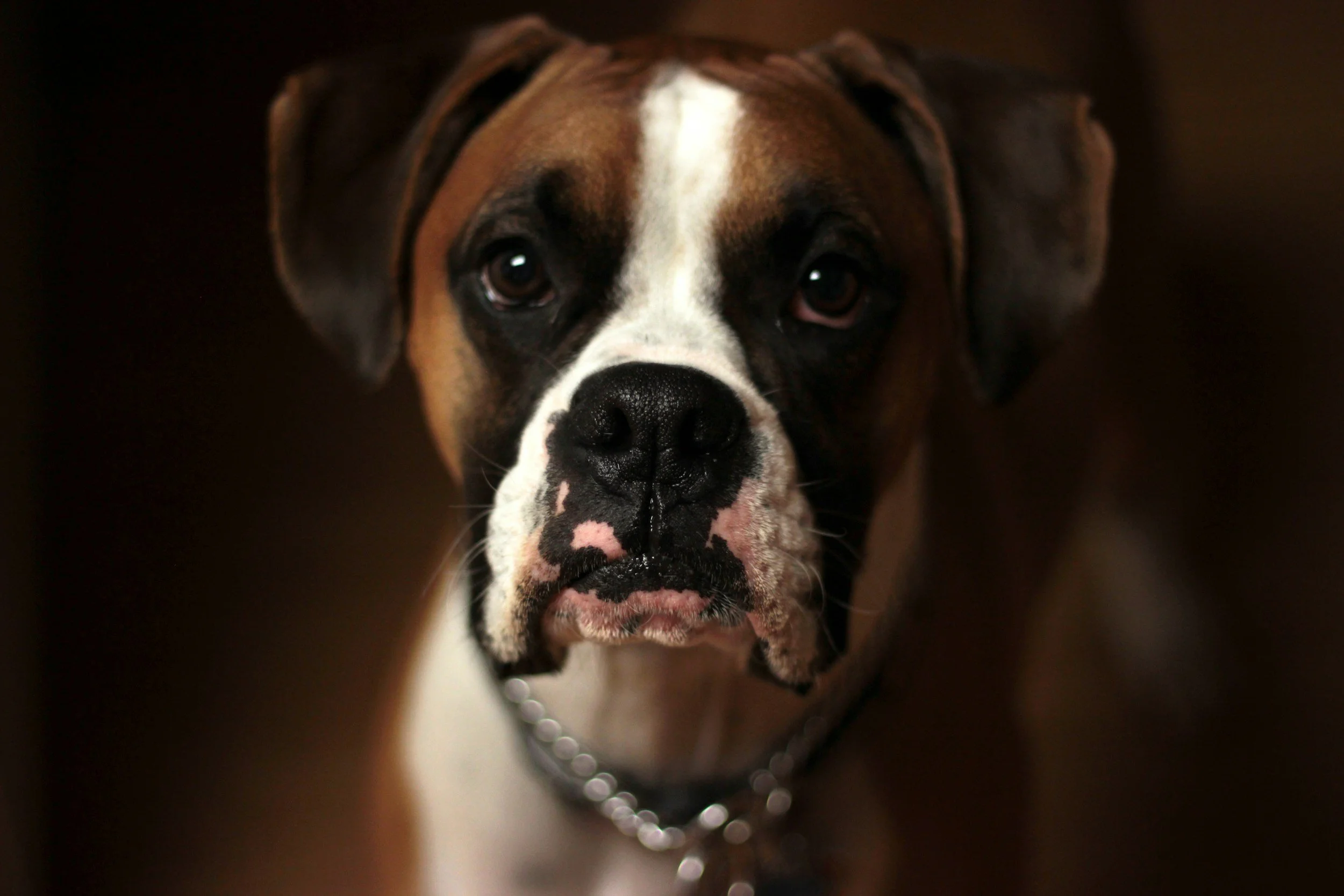
This deserves its own section because I have seen too many owners feel frustrated when they come home to destruction.
You walk through the door.
Your favorite pillow has been murdered.
The trash has been distributed artistically throughout the kitchen.
The dog is standing there looking guilty.
It's tempting to think:
"He knows he did something wrong."
But dogs don't necessarily understand your anger in the way you think they do.
Punishing a dog after the fact doesn't teach them what to do the next time they're alone.
In fact, it can increase stress around your departure and return.
Instead, focus on identifying the cause of the behavior and teaching an appropriate alternative.
A Simple Routine-Change Training Plan
If your dog's schedule is changing, here's a practical starting point.
Week 1: Establish Independence
Practice:
Place training
Short periods behind a gate or closed door
Independent enrichment
Calm departures
Week 2: Introduce Longer Absences
Gradually increase time away from your dog while monitoring their behavior.
Week 3: Practice the New Routine
Begin following portions of your future schedule.
Wake up at the new time.
Feed at the new time.
Leave at approximately the new time.
Return according to the new schedule when possible.
Week 4: Maintain and Adjust
Continue reinforcing calm behavior.
If your dog struggles, don't simply push harder.
Adjust the training.
Behavior modification should be based on the dog in front of you—not an imaginary dog who follows a perfect training timeline.
The Most Important Thing to Remember About Changing Your Dog's Routine
Your dog's behavior is information.
When your dog suddenly becomes clingy, destructive, vocal, restless, or anxious, don't immediately label them as stubborn or disobedient.
Ask:
What changed?
That question can be incredibly revealing.
Did your schedule change?
Did someone move out?
Did someone move in?
Did the children return to school?
Did you start working longer hours?
Did you move?
Did another pet join the family?
Did your dog's exercise routine change?
Did their environment become more stimulating?
Behavior doesn't happen in a vacuum.
Sometimes the key to changing the behavior is understanding what changed before the behavior changed
At Canine Intuition, We Train the Dog in Front of Us
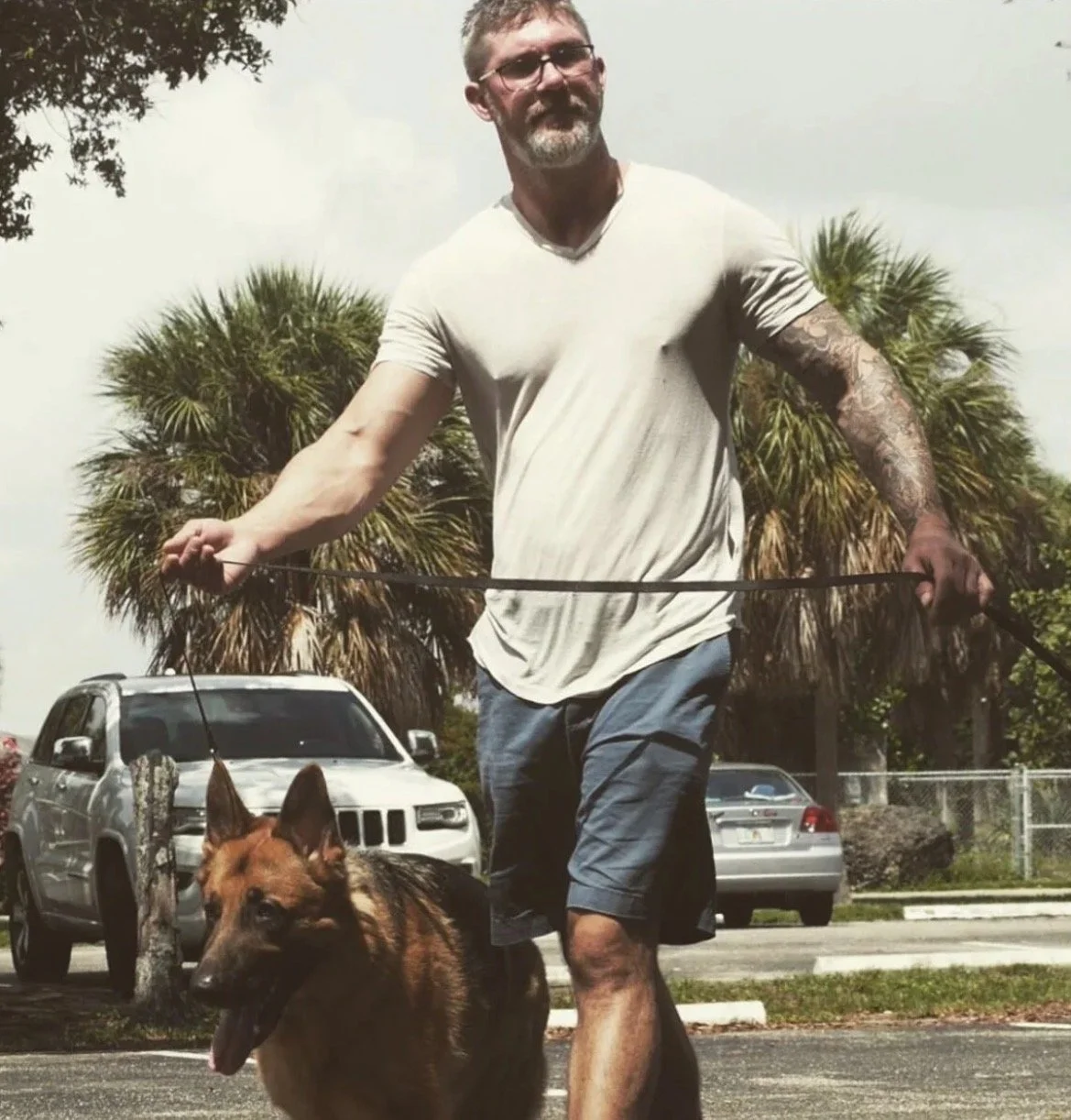
I don't believe in cookie-cutter solutions.
Your dog isn't a robot.
Your household isn't identical to your neighbor's.
And your dog's anxiety can't always be solved with a generic checklist from the internet.
At Canine Intuition, we look at the individual dog, the environment, the household routine, and the behaviors you're experiencing.
Our goal is to help you understand your dog while teaching practical skills that make life easier for both of you.
Because good dog training isn't simply about getting a dog to obey commands.
It's about helping dogs become confident, adaptable, and capable of navigating real life.
And real life is going to change.
The work schedule will change.
The kids will grow up.
You'll move.
You'll travel.
You'll have busy seasons.
There will be holidays.
There will be guests.
There will be unexpected surprises.
Your dog doesn't need a life where nothing ever changes.
Your dog needs the skills to handle change.
Final Thoughts: Teach Your Dog That Change Is Safe
Routine changes are a normal part of life. The goal isn't to protect your dog from every change.
It's to help your dog develop the confidence and skills necessary to navigate those changes.
Start preparing early.
Keep important routines predictable.
Teach independence.
Practice gradual separation.
Provide physical and mental enrichment.
Create a safe place to decompress.
And pay attention when your dog's behavior changes.
Most importantly, remember that your dog isn't giving you a hard time.
They're having a hard time.
That's our cue to look closer.
If your dog's behavior is making everyday life difficult, professional guidance can help you identify the underlying issue and create a training plan that fits your dog and your household.
Is Your Dog Struggling With a Change in Routine?
Canine Intuition is here to help.
Whether you're dealing with separation-related behaviors, excessive barking, destructive behavior, difficulty settling, lack of independence, or another challenging behavior, the right training approach can make a meaningful difference.
Don't wait until a manageable adjustment becomes a major behavior problem.
Contact Canine Intuition to learn more about professional dog training and behavior support.
Because a confident dog isn't a dog whose life never changes.
It's a dog who has learned how to handle change.