
Adding a second dog to your home can be a wonderful but challenging experience.

Many pet owners believe that they’ll just walk their dog’s new furry sibling right through the front door and they’ll become fast friends. Unfortunately, this is not always the case. Proper integration is necessary for your canines to coexist.
the goal of integration is safe, structured coexistence, not forced instant friendship
Here are 4 steps to ease the process of adding a new furry sibling to the family:
1. Assess Compatibility Before Meeting
Evaluate key behavioral traits before putting two dogs together:
Energy & Age: High-energy puppies easily overwhelm calm, elderly dogs.
Play Style & Size: Match wrestling or chasing preferences to prevent accidental injuries.
Behavioral History: Identify pre-existing reactivity, fear, or resource-guarding tendencies early.
2. Master the Neutral-Ground Walk
Never bring a new dog directly through the front door into a resident dog’s territory.
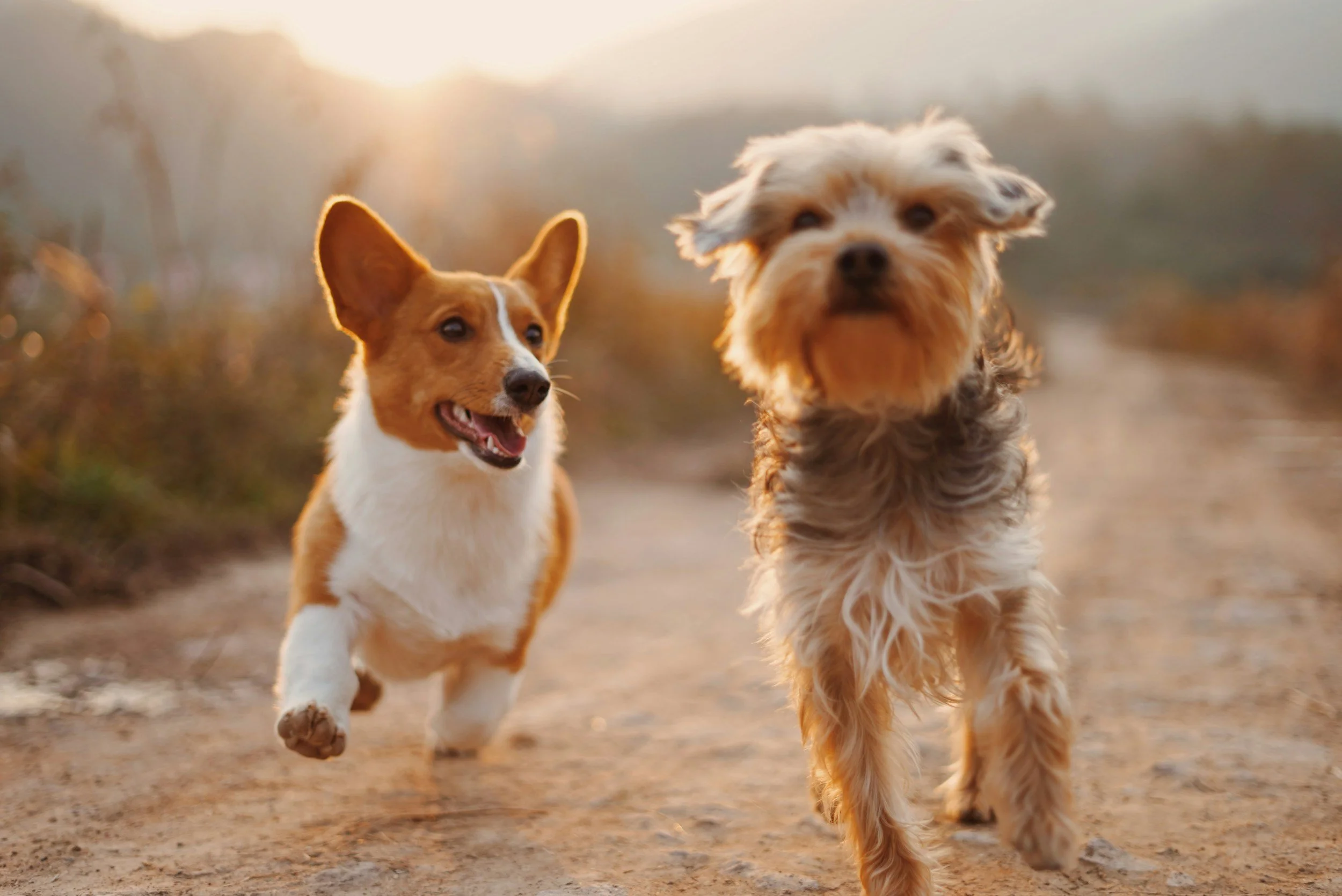
Parallel Walking: Walk both dogs in the same general direction on neutral ground while maintaining a safe distance.
Reward Calm Progress: Gradually decrease the distance only when both dogs remain relaxed.
Embrace Quiet Meetings: A successful initial interaction is often one where almost nothing happens.
3. Read Body Language Early
Growling is essential communication. Punishing a growl suppresses a vital warning signal without fixing the underlying stress. Watch for these signals:
Relaxed Signs (Green Light) Tension Signals (Red Light)
Loose body movement and soft posture Stiff body, hard staring, or freezing
Easy curiosity and appropriate sniffing Lip lifting, growling, or air snapping
Ability to disengage and focus on handlers Persistent space-blocking or resource guarding
4. Secure Household Resources
Prevent competitive tension inside the house during the initial integration phase:
Separate Feeding: Feed dogs in separate rooms, crates, or behind physical gates.
Remove High-Value Items: Keep bones, high-value chews, favorite toys, and beds put away initially.
Provide Dedicated Safe Spaces: Give each dog an explicit retreat, like a crate or a cot where they can rest completely unbothered.
What About Dogs That Fight?!
If the dogs are displaying serious aggression, don’t simply put them together and hope they’ll “work it out.”
That’s dangerous advice.
Repeated fights can strengthen conflict and make future interactions more difficult. If either dog has:
A history of serious dog aggression
Multiple fights
Severe resource guarding
Biting
Significant fear
Severe reactivity
Professional assistance should be considered before allowing uncontrolled interaction. In some cases, veterinary or veterinary-behavior involvement may also be appropriate. Safety comes first.
If you’re considering adding another dog to your household—or you’re already experiencing conflict between dogs- the earlier you address the problem, the more options you generally have.
At Canine Intuition, our goal is to help dogs and owners learn how to function together in the real world, with clear communication, appropriate boundaries, and a training system that works beyond the training session.