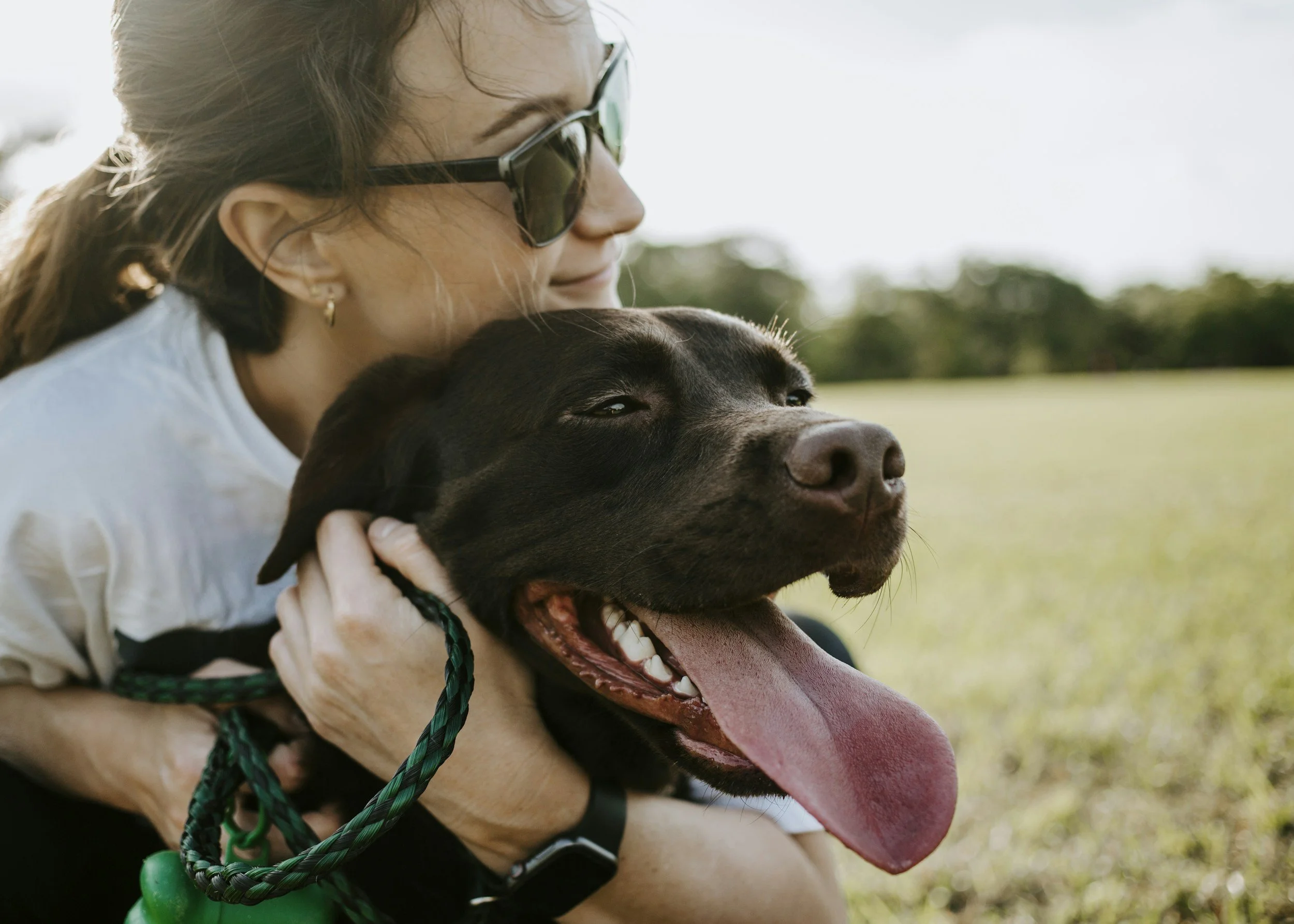

Let’s paint a picture. You’re at the park. You have a fanny pack stuffed with artisanal, ethically sourced, wild-caught salmon bites. You are ready to positively reinforce your dog’s good choices.
Then, it happens. A squirrel darts across the grass. Not just any squirrel—a squirrel that looks like it’s been training for the Olympics.
You enthusiastically shake your salmon bites. You use your highest-pitched, most delightful Disney-princess voice. "Here, Fido! Look! Treats!"
Fido does not care about your salmon bites. Fido has tapped into his primal, ancestral wolf DNA, and in this high-arousal moment, your treats hold the exact same currency as a crumpled receipt. He lunges, the leash burns your hand, and your artisanal treats scatter into the wind.
Welcome to the real world of dog ownership.
Here at Canine Intuition Dog Training, we love positive reinforcement. We dish out treats, praise, and belly rubs like it’s going out of style. But if we are being completely honest with you—and as wise dog trainers, honesty is our love language—"force-free only" is not a realistic long-term training tactic.
Here is the silly, but harsh truth about why a purely positive approach often falls short in the real world:
1. You Cannot Out-Bribe Mother Nature
The utopian dream of force-free dog training is beautiful. It suggests that if we just make ourselves more exciting and rewarding than the environment, our dogs will always choose us.
But let’s be real: Have you ever tried to convince a toddler to eat broccoli by telling them it’s yummier than the chocolate cake sitting right next to it? You can’t out-bribe a sugar rush, and you often can't out-bribe a dog's prey drive.
When your dog's adrenaline spikes because they see a cat, another aggressive dog, or a mailman who looked at them funny, their brain stops processing rewards. They aren't thinking, "Hmm, should I chase that cat, or should I sit for a piece of cheese?" They are just reacting.
In these moments, a lack of clear, fair corrections leaves you powerless. And an out-of-control dog isn't just frustrating; it’s a massive safety hazard.
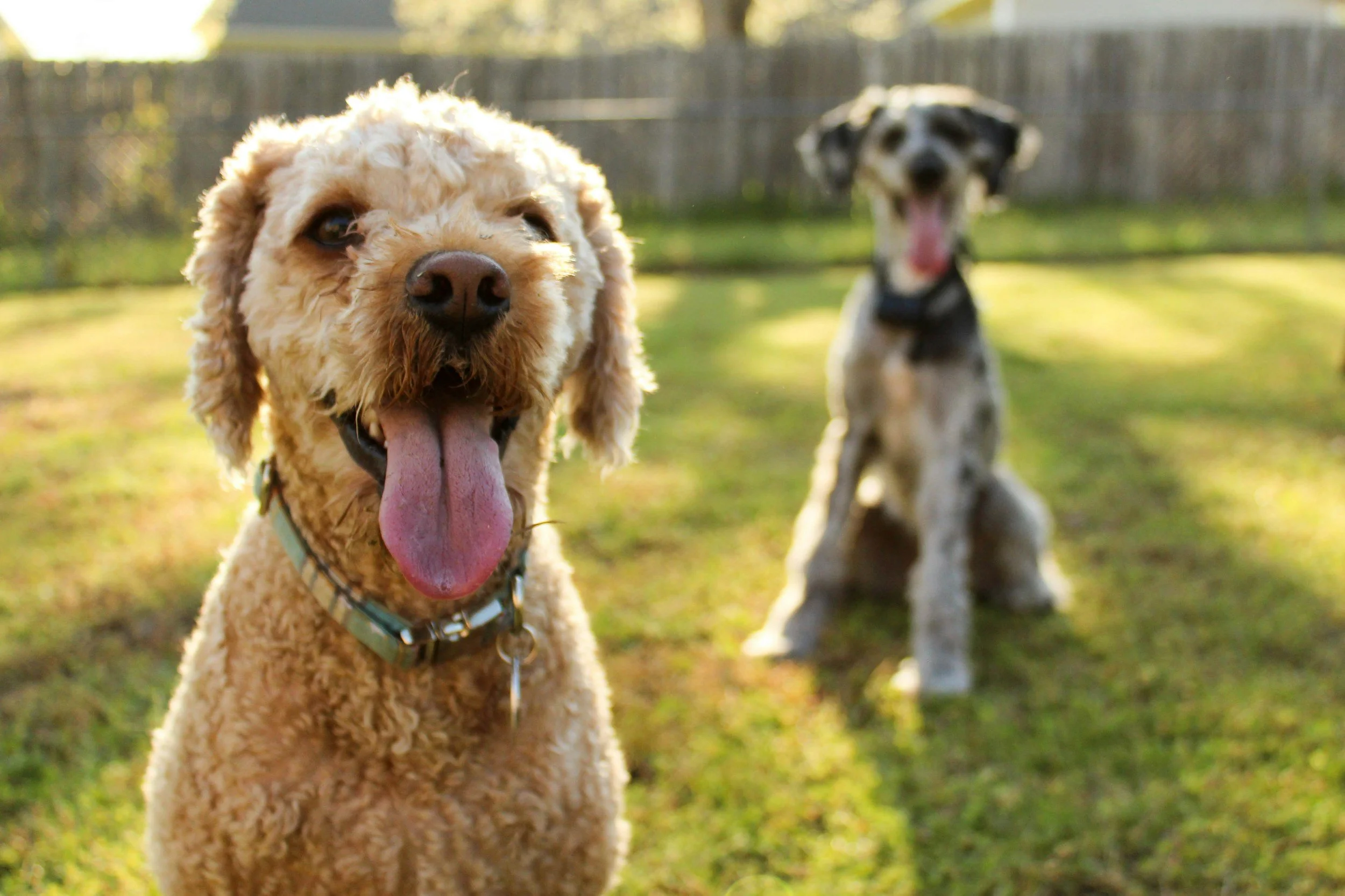
2. Dogs Don't Read Human Textbooks (They Speak "Dog")
If you watch a healthy pack of dogs interact, you will notice something fascinating: they are not force-free.
When a puppy bites its mother too hard, she doesn’t ignore the behavior and wait to reward him when he stops. She gives a swift, clear, and fair correction. A growl, a snap, or a physical boundary that says, "Hey, knock it off."
The puppy isn’t traumatized. He doesn’t need years of canine therapy. He simply shakes it off, learns the boundary, and adjusts his behavior. That is canine intuition at its finest.
By refusing to ever use corrections or spatial pressure, we are depriving our dogs of the very language they were born speaking. Fair boundaries provide clarity. Clarity provides peace of mind. And a dog with peace of mind doesn't need to bark at every leaf that blows across the driveway.
3. The "Ignore the Bad, Reward the Good" Fallacy
Force-free ideology heavily relies on ignoring bad behavior so it will eventually "extinguish" itself.
This works great if the bad behavior is your dog whining for attention. It works terribly if the bad behavior is self-rewarding.
Counter-surfing and eating an entire stick of butter? Highly rewarding.
Chasing a skateboarder down the street? An adrenaline thrill ride.
Digging a hole to China in your prize petunias? Sensory bliss.
If a behavior is naturally rewarding to a dog, ignoring it doesn't extinguish it—it enables it. At Canine Intuition Dog Training, we believe in stepping in with wisdom. We tell the dog "No" (the boundary), and then we guide them toward what they should be doing (the behavior we happily reward).
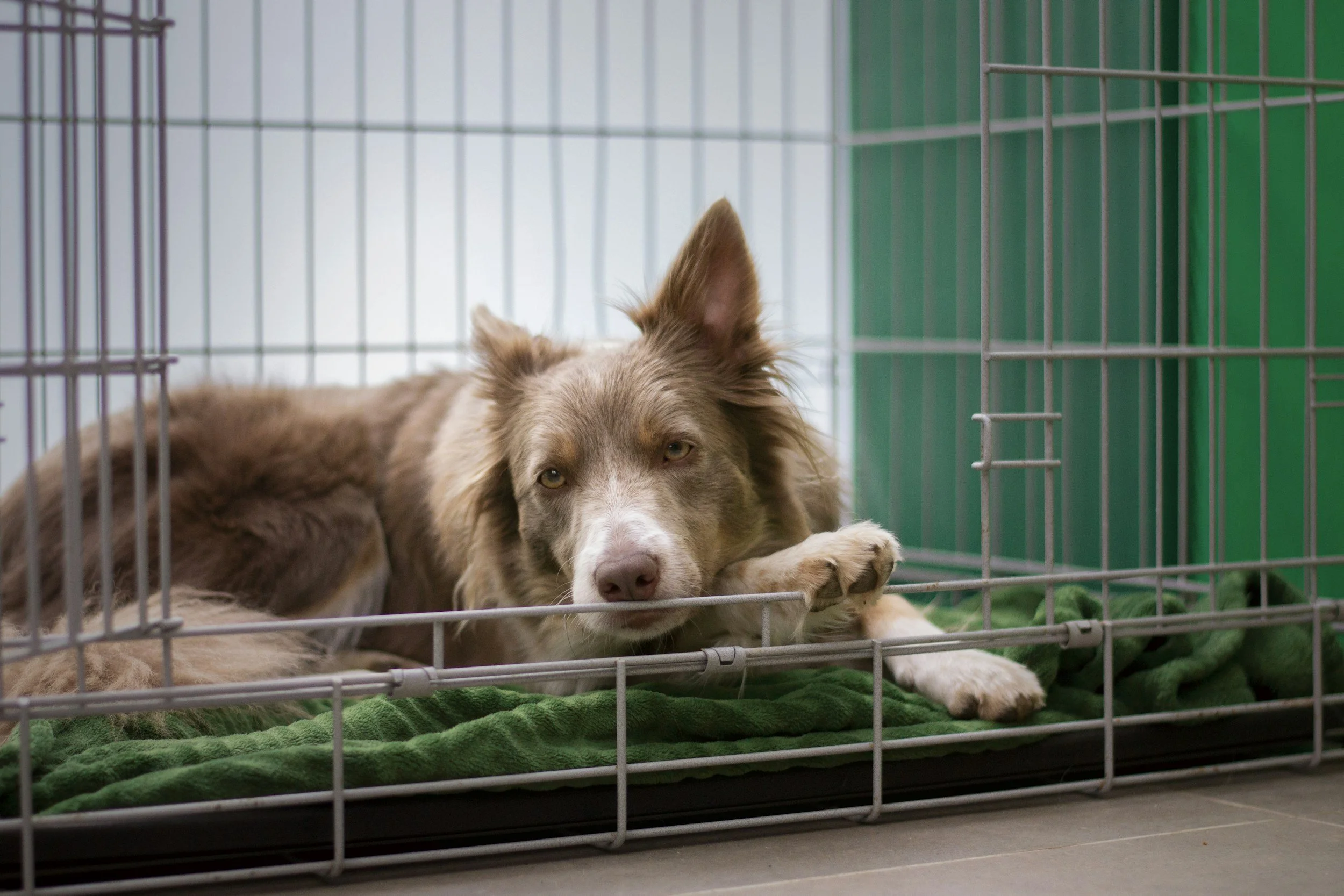
4. Balanced Training is Real-Life Training
Saying "no" is not abuse. Establishing a boundary is not cruelty. In fact, just like with human children, providing structure and fair discipline is one of the highest forms of love you can offer.
At Canine Intuition Dog Training, we practice what is known as balanced dog training.
Do we use treats, toys, and praise to teach new commands? Absolutely.
Do we make learning fun and engaging? You bet.
Do we also use appropriate, fair corrections to stop dangerous, obnoxious, or self-destructive behaviors? 100%.
We don't want your dog to just obey you in a sterile living room when you’re holding a piece of hot dog. We want your dog to obey you when a deer jumps out on a hiking trail, or when a child drops a hot slice of pizza on the sidewalk.
The Bottom Line: Your Dog Craves Leadership, Not Just Liver Treats
If you have been banging your head against the wall trying to solve serious behavioral issues with nothing but a clicker and a bag of treats, take a deep breath. You aren't failing; you are just working with an incomplete toolkit.
Long-term behavioral modification requires treating your dog like a dog. It requires speaking their language, setting undeniable boundaries, and being a leader they can trust in any environment.
Ready to ditch the frustration and step into real-world results? Let’s tap into that natural wisdom together.