
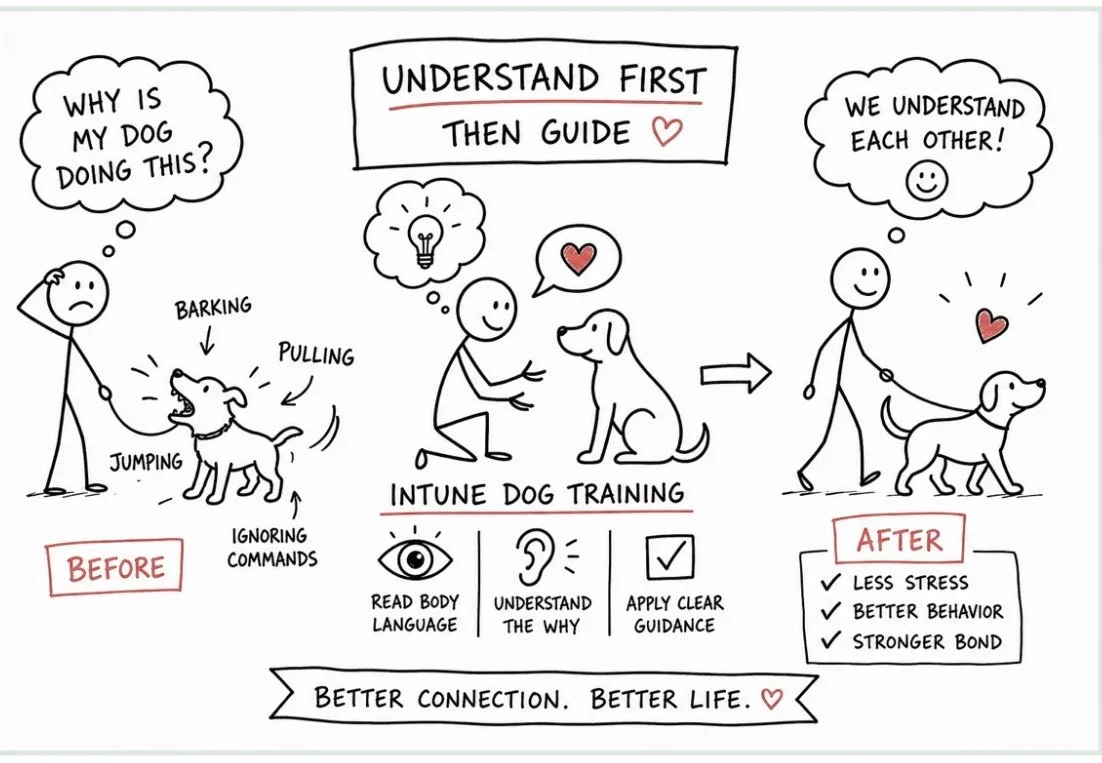
Intune dog training starts with a skill most people never develop: learning to read what your dog is actually communicating before you ask anything of them. You've watched the YouTube videos. You've tried the treats, the firm voice, the well-meaning advice from the neighbor whose dog is somehow perfect. And still, your dog pulls on leash, shuts down mid-session, or reacts to things that seem completely random. The frustration is real. But the problem usually isn't your dog.
Many training approaches skip this first step entirely, jumping straight to commands without understanding what the dog is already saying through posture, eye movement, breathing, and a dozen other signals most owners don't know to look for. That foundation changes everything about what comes next.
At Canine Intuition, this idea shapes every program we run across Broward and Palm Beach Counties. Whether it's a first-time puppy evaluation or a multi-week board and train for serious reactivity, the work always starts with observation. This article walks through how that intune dog training approach works in practice and what it looks like across different dogs and different goals.
What Intune Dog Training Actually Means
Getting in tune with your dog is not a metaphor. It's a specific skill set: learning to read the behavioral and emotional signals your dog sends constantly, often before any problem behavior ever surfaces. Body posture, ear position, tail carriage, eye softness, yawning, lip licking, pacing. These signals are happening all the time. Most owners walk right past them.
Much basic obedience guidance starts with commands. Sit. Stay. Leave it. But if your dog is already over threshold, already in a stress response, already shutting down, none of those commands will land the way you expect. The dog isn't being stubborn. They're telling you something, and the training isn't designed to hear it.
What Your Dog Is Saying Before You Ever Ask for a Sit
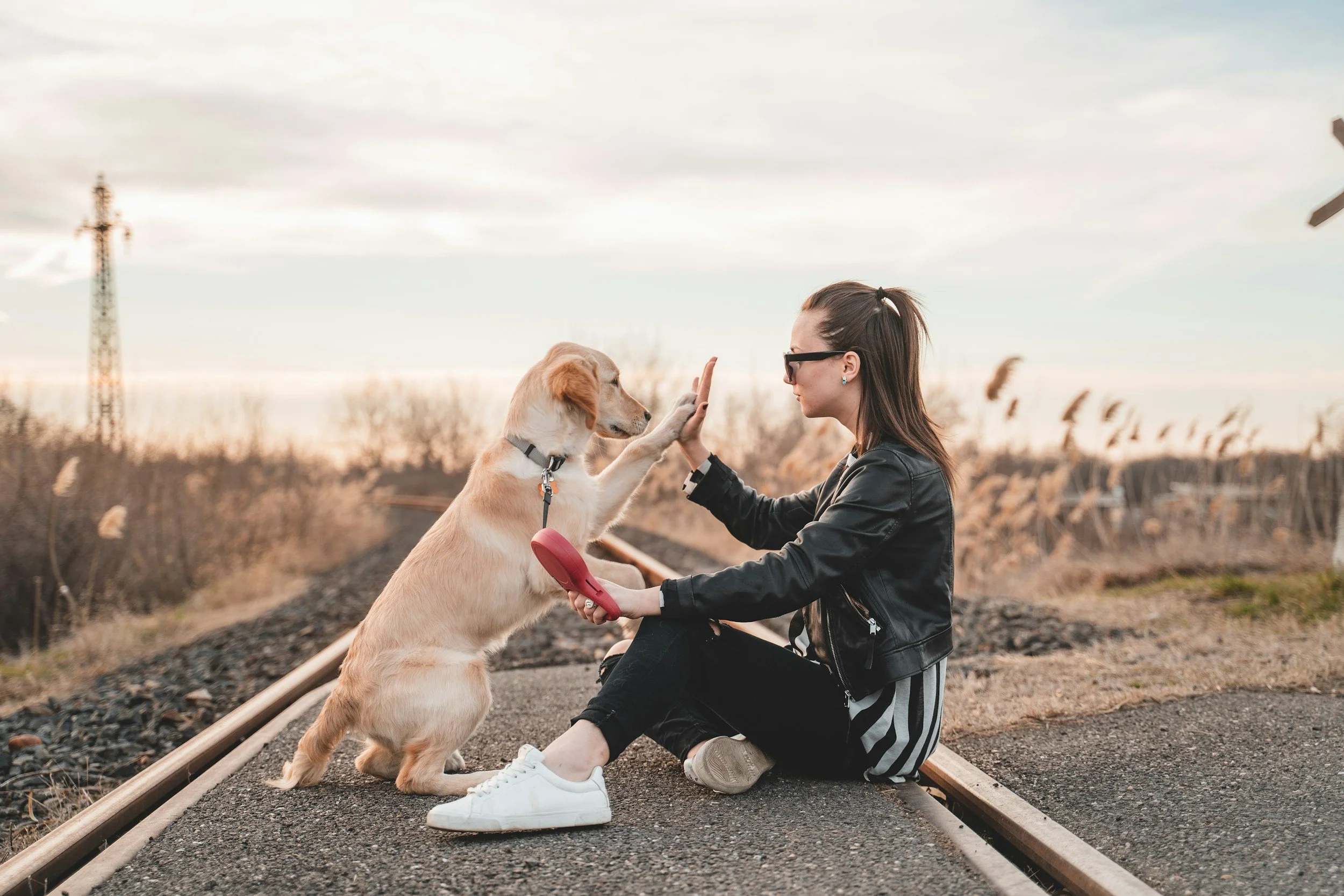
The dog who "looks guilty" when you come home is not guilty. They're reading your body language and shutting down from anticipatory fear. The dog who "acts stubborn" during a training session is often overstimulated, and the brain's ability to process new information has hit a ceiling. When a dog "won't listen" in a busy environment, they're most likely in a stress response, not a defiance response, and repeating the cue louder doesn't change that.
Behavior is always communication. Every freeze, every yawn, every lip lick, every whale eye is information. Getting in tune starts with learning to read that information accurately before you ask your dog to do anything else. Once you can do that, the work gets a lot cleaner.
Why One-Way Training Creates Resistance
Training that skips this layer tends to produce two recognizable outcomes: disengagement or escalating reactivity. When a dog is repeatedly asked to perform while their stress signals go unnoticed, they either shut down entirely or the pressure builds into something harder to manage. Animal welfare research consistently shows that unmanaged stress during training correlates with poorer outcomes and increased reactive behavior. Neither result is what anyone signed up for.
Reading your dog first doesn't slow training down. It actually speeds things up, because the dog is in a state where real learning can happen. Cooperation follows clarity, not the other way around.
The Core Techniques Behind Intune Dog Training
A reward-based approach with clear structure isn't about being permissive, and it's not about loading on corrections until a dog complies. It uses positive reinforcement as the primary communication tool while giving dogs the consistent feedback they need to feel safe. Fear-free handling principles are built in from the start, which means we're always working to keep the dog below threshold, not pushing through it.
The goal is a dog who works with you because the communication makes sense to them. Building that kind of cooperation looks like a dog that checks in voluntarily, offers calm behavior at the door, and settles without repeated cuing, not one who complies out of uncertainty about what happens if they don't.
Reward-Based Communication That Actually Sticks
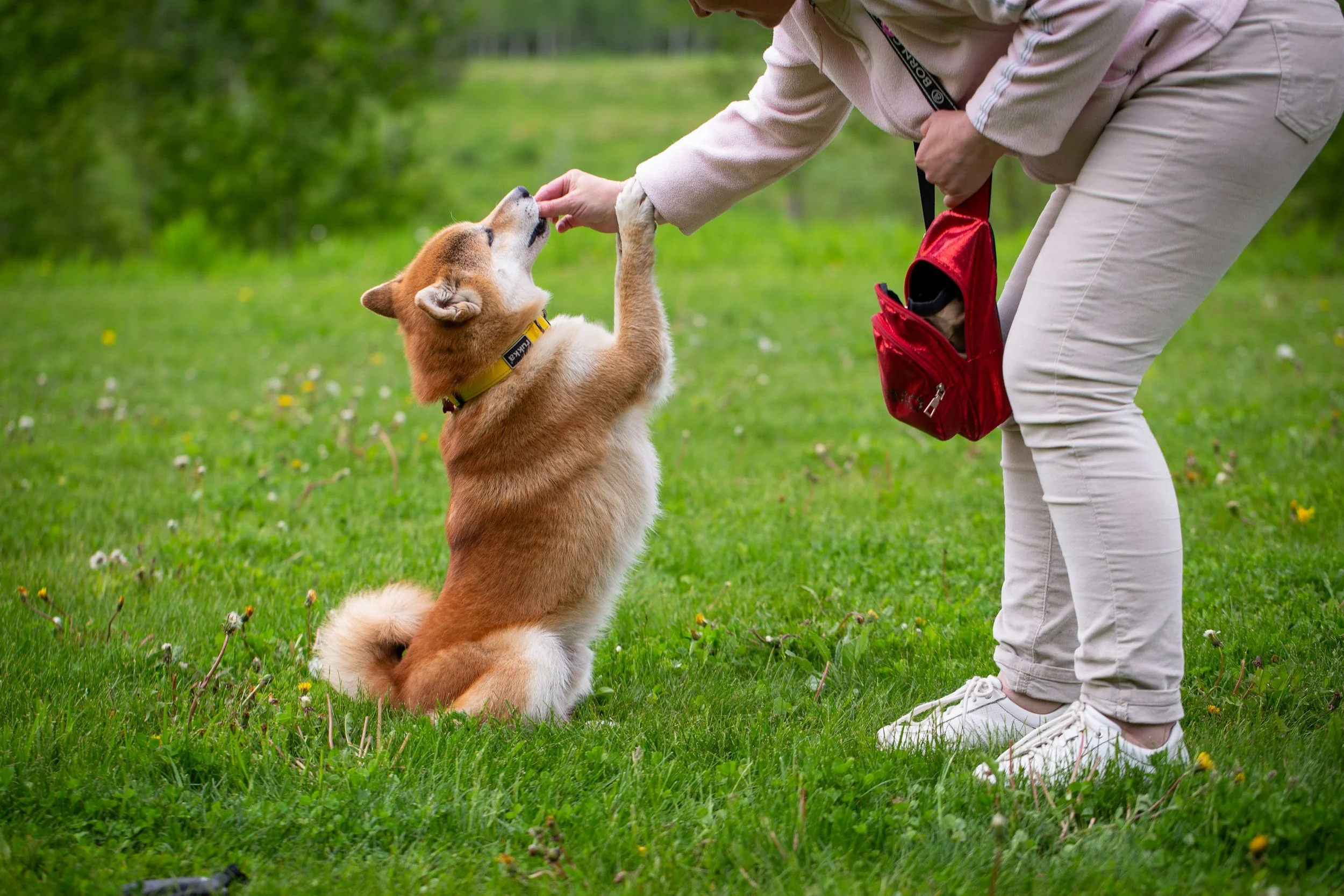
Marker training is the practical engine here. Whether you use a verbal marker like "yes" or a clicker, the principle is the same: the dog needs to know exactly which behavior earned the reward. Timing matters more than most people realize. A reward delivered two seconds late marks a completely different behavior than the one you intended to reinforce, a well-documented principle in applied behavioral learning.
The reward itself matters less than most owners assume. For many dogs, real-world access, play, or movement is more motivating than food in certain contexts. What actually drives results is precision and consistency in the communication loop, not the size of the treat.
Structure and Consistency as a Form of Kindness
Most owners expect rules to create more tension, not less. But dogs living in chaotic or unpredictable environments tend to be more reactive, harder to train, and slower to build confidence, a pattern supported by animal behavior research linking predictability with reduced anxiety and improved learning. Rules are not restrictions. They're a form of clarity, and clarity is what lets a dog relax.
A dog that knows what to expect is a dog that can actually learn. Structure, applied consistently and calmly, is one of the most effective tools in any behavior modification program. Think of it as giving your dog a map instead of dropping them in a maze.
Which Dogs Benefit Most from This Approach
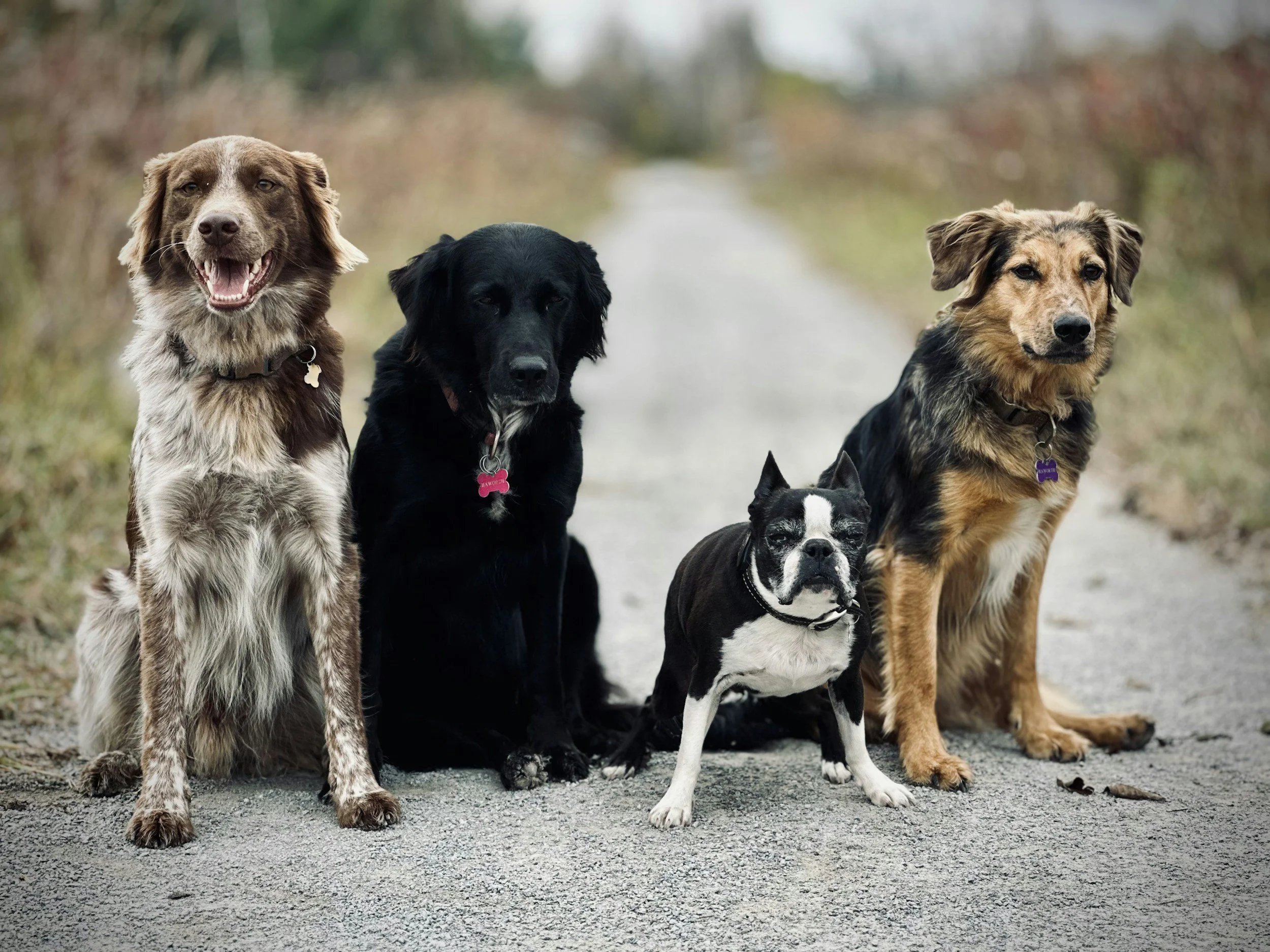
Not all dogs need the same entry point. Puppies still forming habits, rescue dogs carrying behavioral history they can't explain, and reactive dogs who've been misread for too long each benefit significantly when training starts with genuine observation, for different reasons and in different ways.
Puppies: Building the Right Foundation Early
Puppies are still forming habits, which means early training has a disproportionate impact on adult behavior. The socialization window closes faster than most people expect, and what a puppy learns to do and not do during that period shapes their responses for years. Starting with observation-based puppy training during that window prevents the most common adult behavior problems before they have a chance to develop.
At Canine Intuition, early puppy evaluations assess what the pup is already communicating alongside what they still need to learn. Catching stress signals early and addressing them alongside basic skills is what separates a confident adult dog from one that struggles with new environments.
Rescue Dogs and Reactive Dogs: Rewriting the Script
Rescue dogs often arrive with fear responses, resource guarding, or aggression rooted in experiences no one can fully explain. The second sentence in many of these cases runs the same way: over time, reactivity became the only available coping mechanism, because no one ever taught the dog how to process a stimulating environment differently.
Both profiles improve significantly when training starts with the owner learning to read the dog's state first. Once you understand what's driving the behavior, you can work with it instead of against it. Early measurable progress often shows up within four to eight weeks with consistent work. Meaningful stabilization typically takes three to six months.
Simple Practices to Start Building This Skill at Home
You don't need to wait for a trainer to start this. There are specific daily practices that develop the observation skills owners need to become better partners to their dogs. These don't require equipment, special knowledge, or a lot of time.
The Daily 5-Minute Observation Window
Sit with your dog in a calm space. Say nothing. Do nothing. Just watch. Notice their breathing rate, where they choose to position their body, whether they seek eye contact or avoid it. Notice whether their mouth is relaxed or tight, whether their ears are soft or forward and fixed.
Do this once a day for a week. You'll start to see your dog's baseline clearly, and that baseline becomes the reference point for everything else you observe. When something is off, you'll actually notice it instead of guessing.
One Request, One Reward: Simplifying Your Communication Loop
Most owners repeat commands multiple times before getting a response. Sit. Sit. Siiit. The problem is that repetition teaches the dog the first cue doesn't require action. Clean that up with a simple rule: one cue, then wait. If the dog doesn't respond, the cue wasn't clear yet, or the environment was too distracting. Address that, then try again.
When the behavior happens, reward it immediately and precisely. This one adjustment alone changes how clearly dogs understand what's being asked of them, and it's something any owner can implement the same day they learn it.
Private Lessons vs. Board and Train: Picking the Right Format
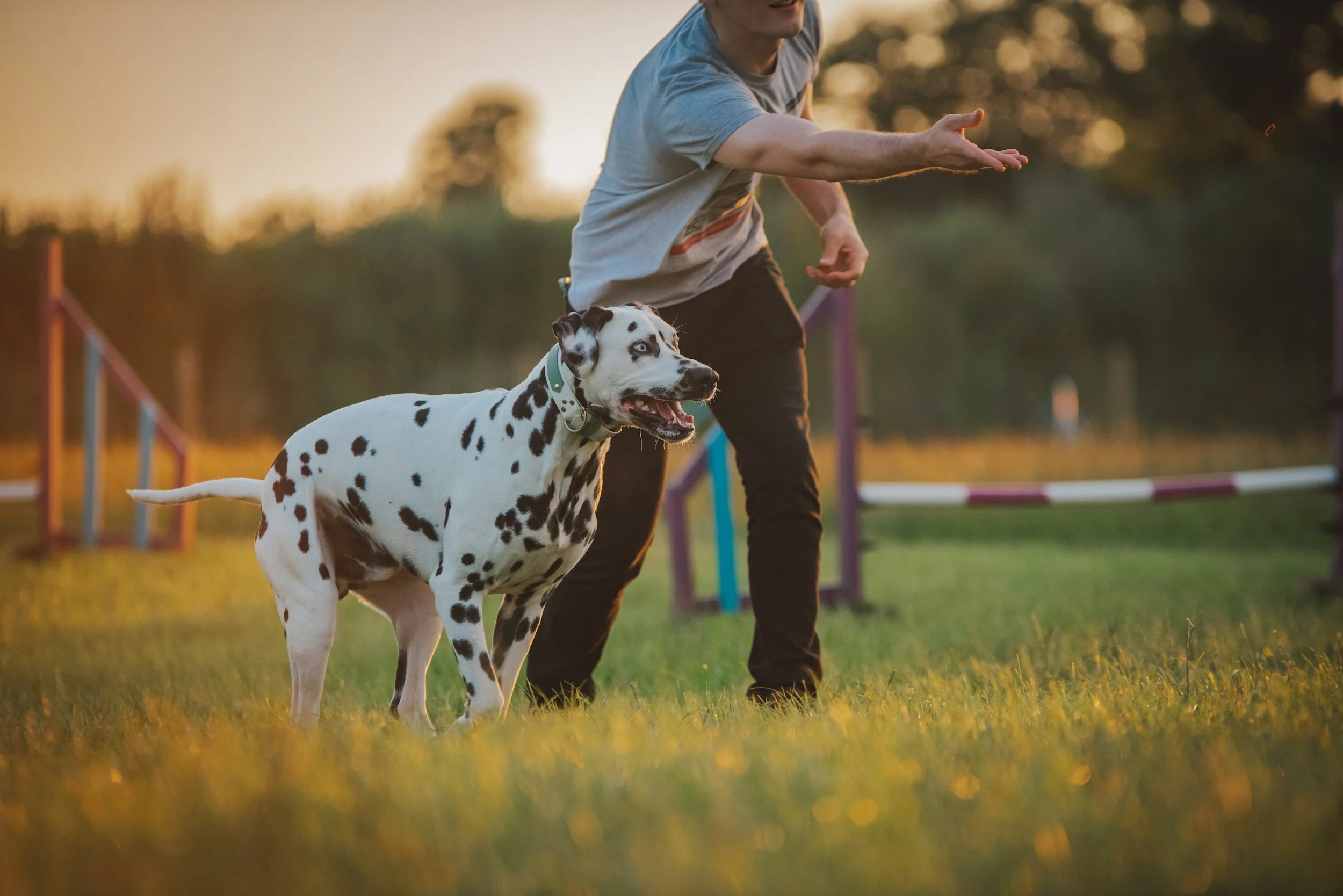
The approach is the same regardless of format. What changes is the pace, the environment, and who carries the training load day to day. Here's an honest breakdown so you can self-select based on your situation.
Private One-on-One Lessons: Best for Mild to Moderate Issues
Private lessons work well for dogs with manageable behavioral challenges: leash pulling, jumping, gaps in basic obedience, early reactivity. They also work well for owners who want to develop their own handling skills alongside the dog. Over six to twelve weeks, the dog and owner build fluency together in the actual environment where most of their life happens.
This format tends to produce strong long-term retention because the owner is doing the work in real time, in the real context. The training generalizes naturally because it's happening at home from the start.
Board and Train: When Immersion Changes Everything
For dogs with serious reactivity, aggression, or anxiety that hasn't responded to other approaches, a residential board and train program changes the equation. Daily, repeated, professionally managed training in a structured environment accelerates change in ways that weekly sessions can't match. Programs commonly run two to four weeks, and early improvements are often visible within the first several days to a couple of weeks depending on the dog.
The transfer work after pickup is critical. The best outcomes consistently come from pairing a board and train with follow-up private coaching at home, so the dog generalizes new behavior into real-world settings with their owner leading the way. The program builds the foundation; the owner maintains it.
How Canine Intuition Works with South Florida Dogs
At Canine Intuition, we've spent decades applying this intune dog training approach with hundreds of dogs across Broward and Palm Beach Counties. The work isn't generic and it doesn't start with a sales pitch. It starts with a behavioral evaluation that gives us a real picture of what the dog is communicating and where the owner's observation skills have gaps.
One anonymized case from Broward County: a rescue dog who arrived with separation anxiety and resource guarding, history mostly unknown. Three weeks in a structured residential program, followed by private coaching with the owner, built a predictable daily routine that the owner reported holding six months later. From Palm Beach County: a reactive adolescent whose owner learned to read stress signals early enough to interrupt the escalation cycle before it peaked. Within eight weeks, the owner was managing trigger encounters that had previously been overwhelming for both of them.
What Happens When You Book an Evaluation with Us
The evaluation is a working session, not a meet-and-greet. We assess the dog's communication patterns, identify the gaps in how the owner is reading them, and build a clear picture of what's actually driving the behavior. You walk away with a real plan, not a brochure.
If you're in Broward or Palm Beach County and want professional support building this skill alongside your dog, reach out to Canine Intuition to schedule your evaluation. The first step is simply showing up and letting us take a real look together.
Most Behavior Problems Are Communication Problems
That's the core of it. Not technique problems. Not breed problems. Not stubbornness or spite. Many of the most common behavior issues trace back to a dog saying something clear that the owner doesn't yet have the language to hear. That's a solvable problem.
Intune dog training, reading the signals your dog is already sending, adjusting your communication to meet them where they are, is what makes training stick. Whether you're working through early puppy habits, rehabbing a rescue, or managing reactivity that's been building for months, observation is where the work starts. Once you see your dog clearly, everything else moves faster and holds longer.