

Living in South Florida with a high-energy dog is a double-edged sword. On one hand, we have year-round sunshine, vibrant coastal parks, and endless dog-friendly dining from Atlantic Avenue in Delray Beach to Las Olas Boulevard in Fort Lauderdale. On the other hand, a hyperactive, impulsive dog can make enjoying these local perks nearly impossible.
Whether your pup explodes through the front door, bolts after iguanas along the Intracoastal, or jumps on outdoor restaurant guests in Boca Raton, the root cause is rarely a lack of love or exercise. The true issue is a lack of impulse control.
Impulse control is a dog’s ability to resist immediate temptations, manage emotional arousal, and make thoughtful decisions rather than acting on instinct.
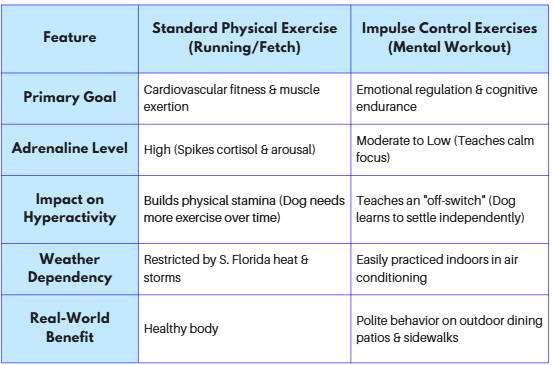
While physical exercise drains a dog's muscles, impulse control exercises train their brain. For high-energy breeds—like German Shepherds, Malinois, Border Collies, Vizslas, and energetic pit mixes—mental workouts are far more effective at producing a calm, settled companion.
Here is your ultimate guide to 15 field-tested impulse control exercises tailored specifically for high-energy dogs navigating the fast-paced, distraction-filled environment of South Florida.
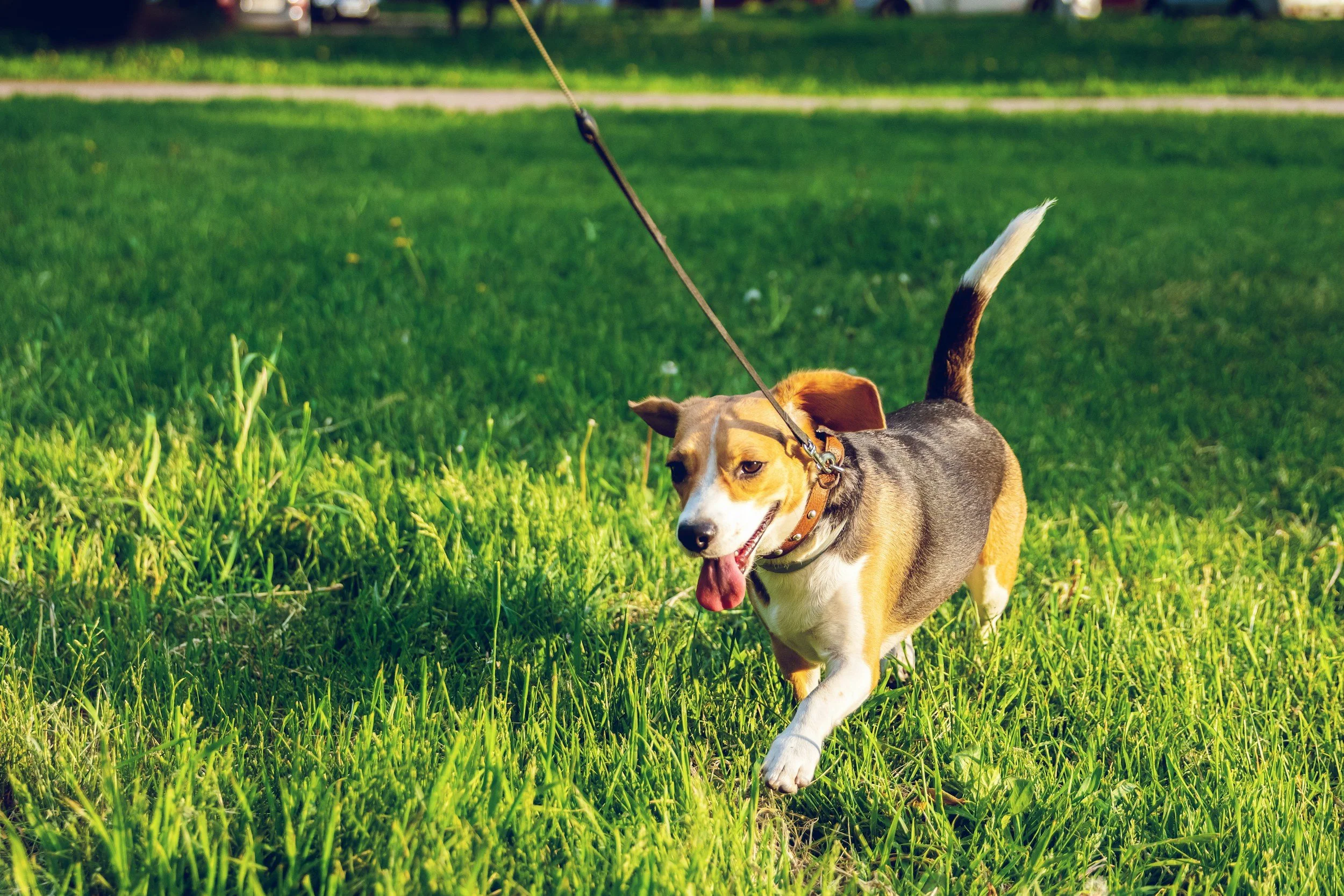
Understanding Canine Impulse Control: Arousal vs. Obedience
Before diving into the exercises, it is crucial to understand that impulse control is different from basic obedience. Obedience teaches a dog what to do when instructed (e.g., "Sit," "Down"). Impulse control teaches a dog how to regulate their emotional arousal in high-stakes environments without waiting for a constant stream of commands.
When a high-energy dog sees a squirrel, a passing golf cart in Lighthouse Point, or another dog on the Deerfield Beach Boardwalk, their brain shifts from the prefrontal cortex (thinking) to the amygdala (emotional reaction). Impulse control exercises build emotional endurance, allowing your dog to stay in a "thinking" state even when excited.
15 Step-by-Step Impulse Control Exercises
1. The Default Sit ("May I Please?")
Objective: Teach your dog that offering automatic eye contact and a sit is the universal key to getting what they want.
How to Train:
Stand in front of your dog with a piece of kibble or a toy held at your chest. Do not say a word.
Your dog will likely jump, paw, or bark to get it. Ignore these behaviors completely.
The moment your dog sits and looks up at your eyes, say "Yes!" (your marker word) and reward them immediately.
Repeat this until your dog approaches you and automatically sits without being asked.
South Florida Application: Practice this before putting on their walking harness before heading out to Quiet Waters Park in Deerfield Beach.
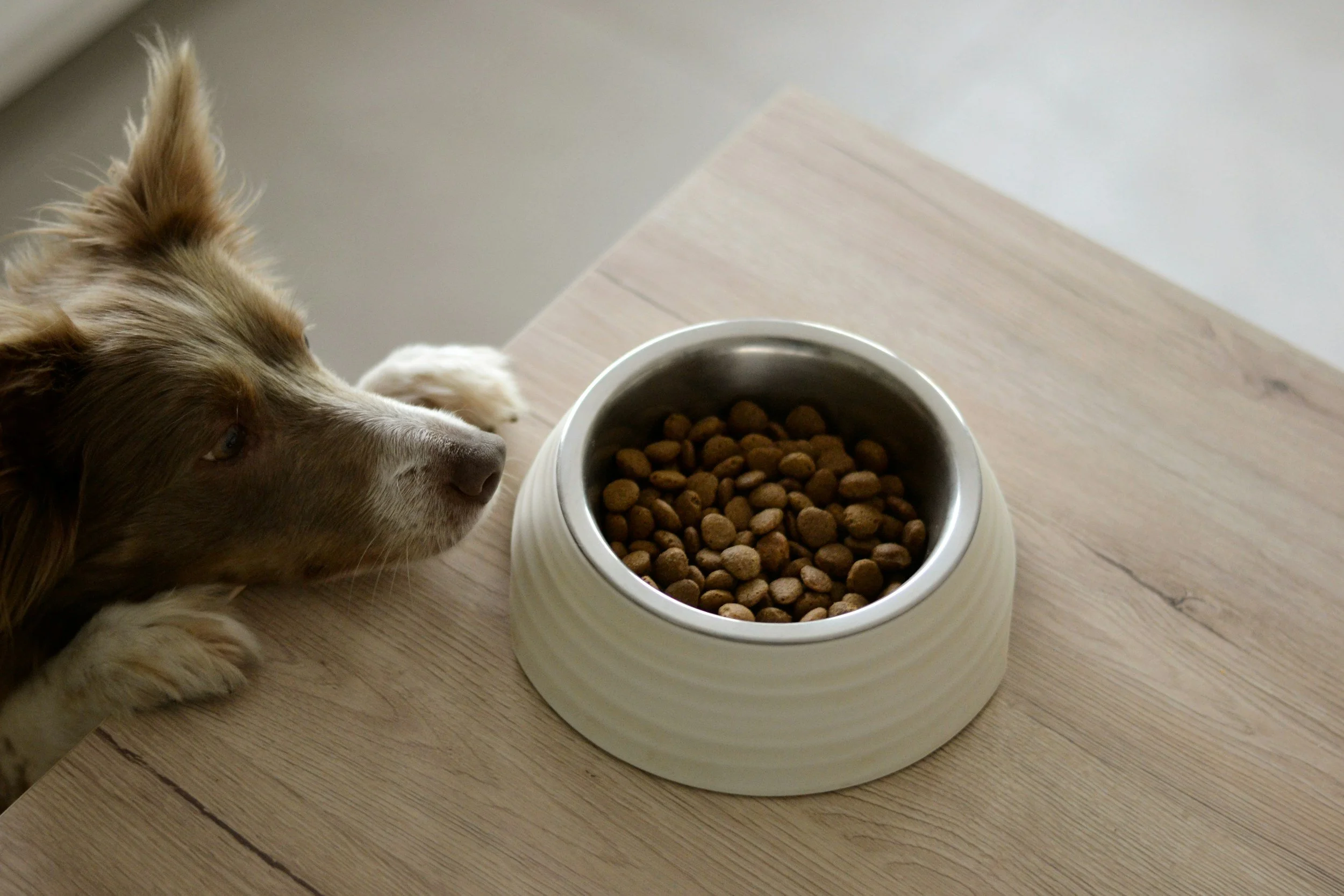
2. The Zen Bowl (Food Bowl Patience)
Objective: Prevent mealtime frenzy and build patience around high-value food rewards.
How to Train:
Hold your dog’s food bowl at chest level while your dog is in a sit.
Begin slowly lowering the bowl toward the floor.
If your dog breaks their sit or lunges toward the bowl, immediately raise it back up to your chest.
Repeat until you can place the bowl flat on the floor while your dog remains patiently seated.
Release them with a clear verbal cue like "Break!" or "Free!" before they eat.
3. Threshold Control (Doorways and Gates)
Objective: Eliminate door-bolting for safety around busy South Florida streets and pool decks.
How to Train:
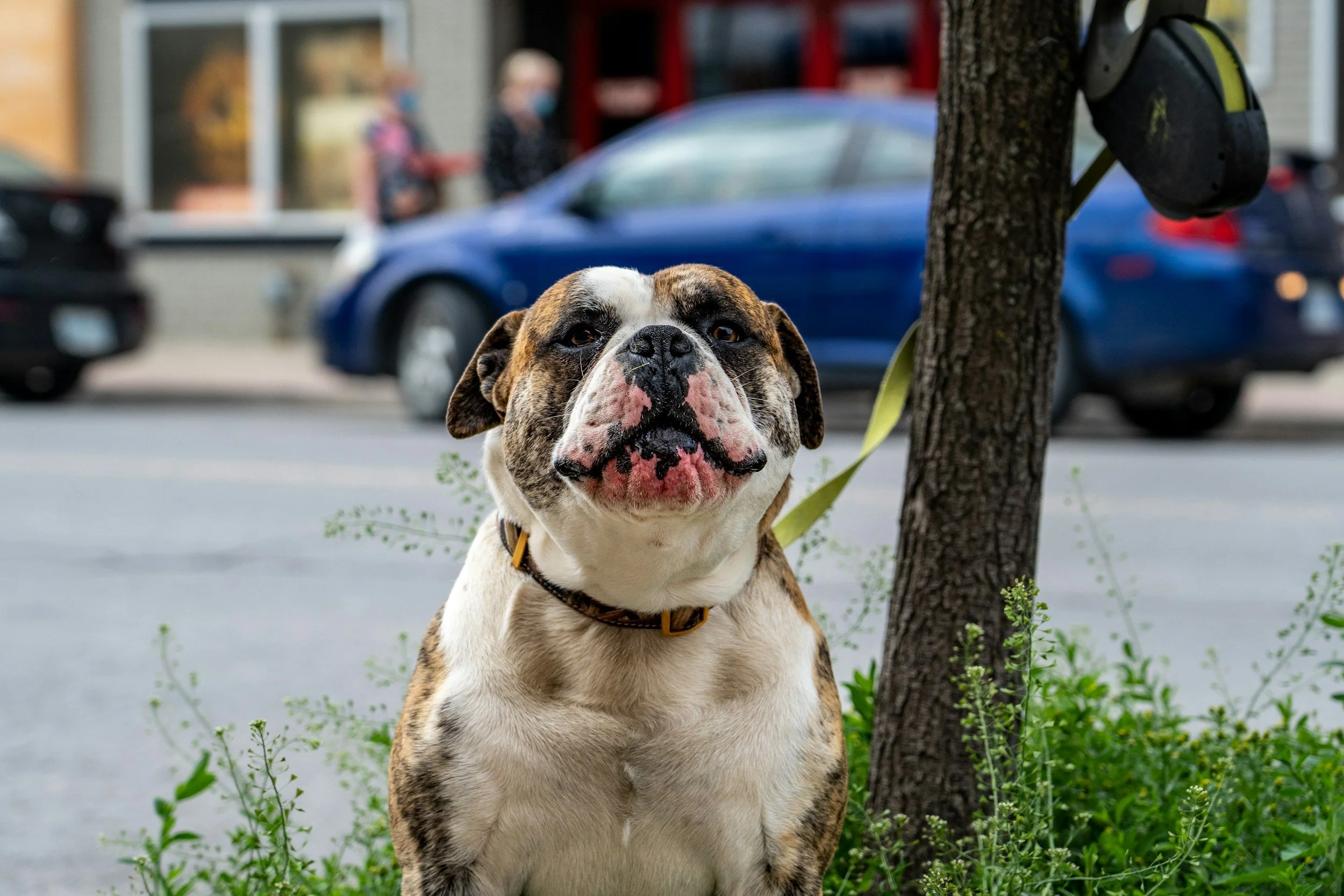
Approach your front door, backyard patio slider, or pool gate with your dog on a leash.
Ask for a "Sit" and place your hand on the doorknob.
Crack the door open an inch. If your dog lunges or stands up, immediately snap the door shut (safely away from paws).
Repeat opening the door gradually. The door opens only when the dog is calm and still.
Step through the doorway first, then release your dog to follow.
Local Benefit: Crucial for waterfront homes in Lighthouse Point and Fort Lauderdale where open doors lead directly to canals or busy roads.
4. High-Value "Leave It" (From Treats to Florida Iguanas)
Objective: Teach a rock-solid disengagement command for off-limit items.
How to Train:
Place a low-value treat in your closed fist and present it to your dog.
Let them sniff, lick, or nuzzle your hand. Say nothing.
As soon as your dog backs away or turns their head, mark "Yes!" and reward them with a different, higher-value treat from your other hand.
Graduate to placing treats on the floor covered by your shoe, then uncovered.
Transition to moving objects like rolling balls, and eventually live distractions like lizards.
5. Curb Waiting on Busy Avenues
Objective: Teach your dog to automatically stop at every sidewalk curb before crossing.
How to Train:
Walk toward a curb on a quiet residential street in Pompano Beach or Boca Raton.
As your feet reach the edge of the pavement, stop moving and wait for your dog to sit automatically.
Do not step off the curb until your dog gives you eye contact.
Mark "Yes!" and proceed across the street together.
Practice this at every single intersection during your daily neighborhood walks.
6. The Flirt Pole Settle (High-Arousal On/Off Switch)
Objective: Teach emotional regulation when your dog’s adrenaline and drive are at peak levels.
How to Train:
Use a flirt pole (a long wand with a toy attached to a rope) and entice your dog into a fun game of chase.
Let your dog catch the toy and play briefly.
Ask your dog to "Drop it" or freeze the pole entirely so the fun stops.
Ask for a "Sit" or "Down." The moment their hips hit the ground and they calm down, say "Get it!" and start swinging the flirt pole again.
This teaches your dog that staying calm is what restarts the fun.
7. The "Place" Command on Outdoor Patios
Objective: Create a relaxed, stationary behavior on a designated mat or towel.
How to Train:
Place a portable bath mat or cooling pad on the floor.
Lure your dog onto the mat with a treat, bringing all four paws onto the target area.
Say "Place," reward them with multiple treats while they stay on the mat, and release them.
Extend the duration from 5 seconds up to 30 minutes over several weeks
Introduce heavy distractions (e.g., dropping toys, having family members walk past).
South Florida Tip: Bring your dog’s foldable "Place" mat to outdoor cafes along Atlantic Avenue in Delray Beach or Las Olas Boulevard in Fort Lauderdale so they lie down quietly while you dine.
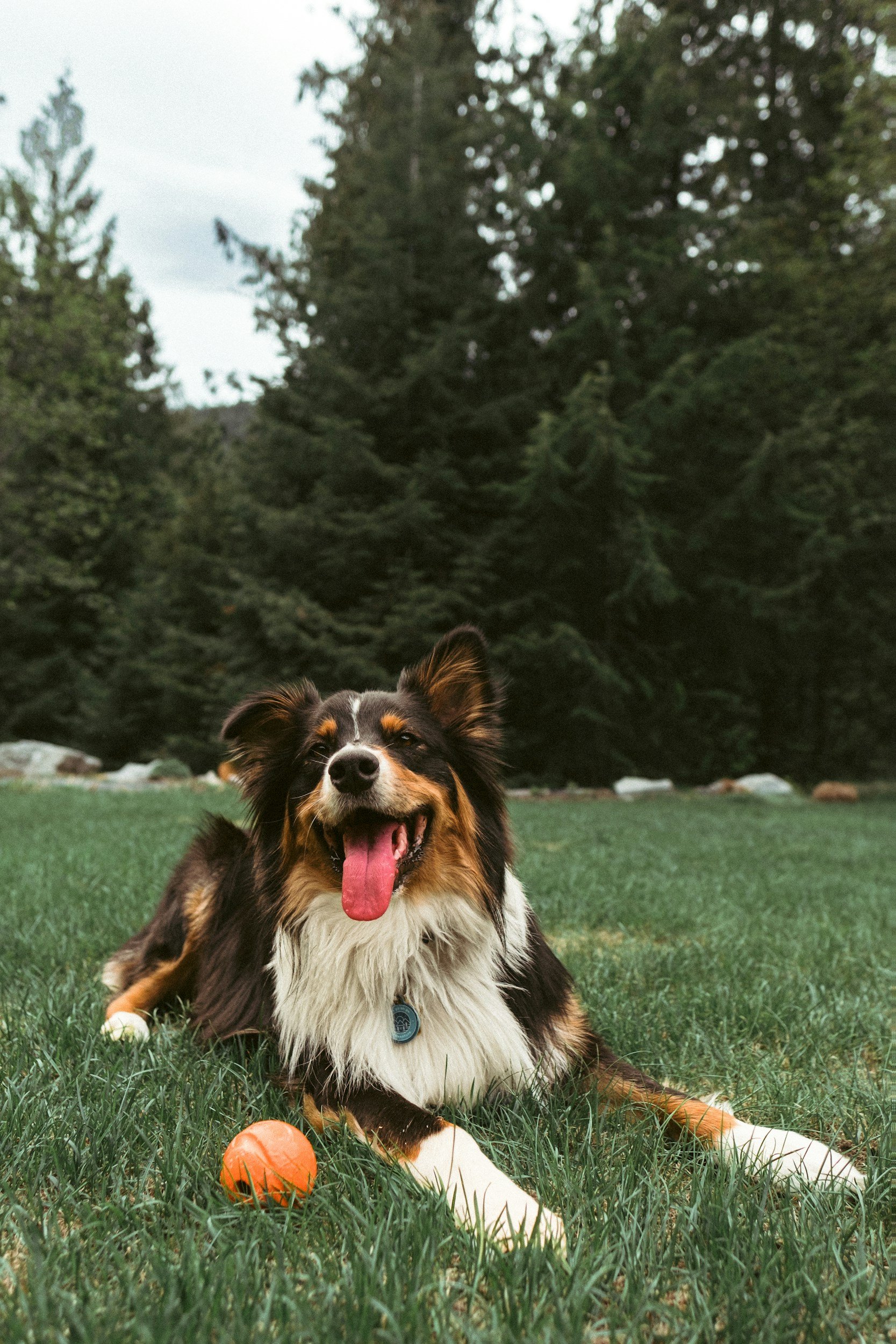
8. Interactive Fetch with Mandatory "Sit-Stay"
Objective: Turn a standard game of fetch into a powerful brain-building impulse control session.
How to Train:
Hold your dog's favorite ball or toy.
Require your dog to sit and hold a stay before you throw the ball.
Throw the ball while your dog remains in the stay position.
Wait 3 to 5 seconds while the ball settles.
Give your release cue ("Fetch!" or "Go!") so your dog dashes after the ball only on your terms.
9. Tug and Release (Teaching Control During Play)
Objective: Build quick-response compliance during high-intensity physical engagement.
How to Train:
Engage in an energetic game of tug-of-war using a sturdy rope toy.
Suddenly freeze your body and hold the tug toy completely still against your leg.
Cue a gentle "Out" or "Thank you." Hold a treat near your dog's nose if necessary to prompt a release.
The moment your dog lets go, mark "Yes!", ask for a brief "Sit," and immediately reward them by restarting the game of tug.
10. The Four-on-the-Floor Greeting Protocol
Objective: Eliminate jumping on family members, house guests, and strangers.
How to Train:
Have a friend or family member approach your dog on a leash.
If your dog begins to pull, jump, or whine, have the helper turn around and walk away immediately.
The helper approaches only when your dog keeps all four paws firmly planted on the ground.
Reward calm greetings with low-key affection or treats delivered low to the ground.
11. The Leash-Pressure Yield
Objective: Teach your dog to yield to leash tension instead of pulling back against it (oppositional reflex).
How to Train
In a low-distraction environment, apply light, sideways pressure on the leash.
Hold steady pressure without jerking or pulling hard.
The instant your dog takes a step toward the direction of the pressure to relieve it, mark "Yes!" and reward generously.
Practice this turning technique until your dog automatically yields to subtle leash movements during walks
12. The Earned "Sniffari" Break
Objective: Use environmental exploration as a high-value reward for loose-leash compliance.
How to Train:
Walk your dog in a structured, heel position past an appealing grass patch or tree trunk.
When your dog walks beside you with a loose leash for 10–15 steps, stop and say "Go Sniff!"
Give them 30 seconds of free sniffing time.
Call them back to a heel position and repeat. This turns natural instincts into an incentive for self-control.
13. The Freeze and Sprint
Objective: Master physical stopping power and recall during rapid sprint movement.
How to Train:
Sprint alongside your dog in a fenced yard or open field
Suddenly freeze in place, stand tall, and give a clear "Halt" or "Sit" command.
Reward your dog instantly when they halt their forward momentum and turn their focus to you.
Settle for 5 seconds before sprinting off again together.
14. "Look at That" (LAT) Trigger Counter-Conditioning
Objective: Help reactive or overly eager dogs disengage calmly from environmental triggers like dogs, skateboards, or wildlife.
How to Train:
Identify a trigger at a distance where your dog notices it but does not bark or lunge (below threshold).
The moment your dog looks at the trigger (e.g., a passing dog on a leash), say "Yes!" or click.
Your dog will turn back to you for their treat. Feed them.
Repeat: Dog looks at trigger Click/Mark Dog turns to you for a treat.
Over time, your dog will automatically look to you for guidance whenever a distraction appears.
15. Vehicle Crate Release & Parking Lot Safety
Objective: Prevent wild, chaotic exits from your car at park destinations and vet clinics.
How to Train:
Open your vehicle's trunk or door while your dog is inside their crate or safety harness.
If your dog attempts to scramble forward, instantly close the door halfway to block them.
Require your dog to sit and make eye contact inside the vehicle before unbuckling them or unlatching the crate.
Release them with your verbal cue to exit safely and calmly onto the pavement.
Tailoring Impulse Control to the South Florida Lifestyle
Training a high-energy dog in South Florida comes with unique environmental factors that pet parents in other regions rarely experience. Incorporating local context into your impulse control training yields faster, real-world success.
Comparison: Physical Exercise vs. Impulse Control Exercises
When to Partner with a Professional Dog Trainer in Broward & Palm Beach Counties
While these 15 exercises form a solid foundation, every dog is an individual. High-energy working breeds, young puppies, or dogs showing reactivity, resource guarding, or severe impulse control deficits often require a customized training plan.
Working with a local, certified professional dog trainer ensures:
Customized Pace: Moving through exercise criteria without frustrating your dog or causing regression.
Real-World Proofing: Guided training trips to high-distraction environments like Mizner Park in Boca Raton, the Deerfield Beach pier, or Las Olas Boulevard in Fort Lauderdale.
Safety First: Ensuring proper gear selection and handler mechanics when working with powerful, high-drive breeds.
Whether you live in Deerfield Beach, Boca Raton, Delray Beach, Fort Lauderdale, Pompano Beach, or Lighthouse Point, professional impulse control training turns a chaotic pet dynamic into an effortless partnership.
Transform Your High-Energy Dog Today
Teaching impulse control is not about suppressing your dog's personality or drive—it is about giving them the emotional tools to navigate a complex world safely. By turning daily routines like mealtimes, door openings, and play sessions into impulse control opportunities, your high-energy dog will transform into a calm, confident, and polite companion ready for any South Florida adventure.
Start with 5 to 10 minutes of dedicated impulse control training twice a day, remain consistent, and enjoy the peace of mind that comes with a well-mannered dog!